
Cohousing Explained
Circle Living cohousing neighbourhoods are guided by six core principles that shape the design intentionally, so that you can live and thrive together. Read the cohousing core principles blog below.
Watch: Cohousing Information Session
This recording of our free, online information session is a gentle introduction to Circle Living and our intergenerational cohousing developments, created especially for those who are newly interested, quietly curious, or exploring whether a more connected way of living might be right for them.
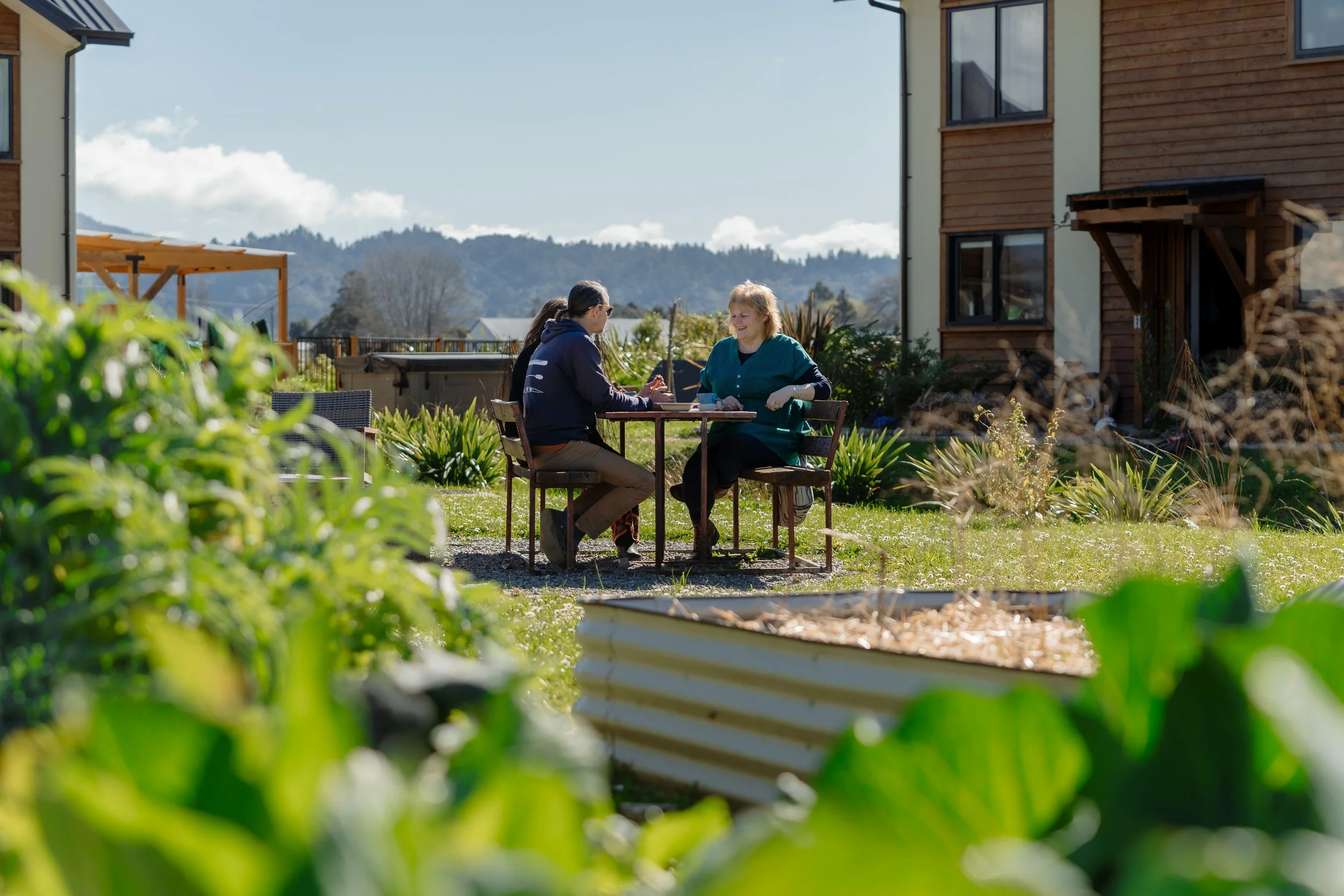
1. Participatory Design
Residents help shape their community from the start. Decisions about shared spaces, managing and maintaining facilities, and community life are made collaboratively, creating ownership and a sense of belonging.
Sociocracy is used as a decision-making tool; a non-hierarchical governance system that distributes power through a network of "circles" to make decisions by consent. This creates a structure that is collaborative, clear, and empowering for everyone involved.
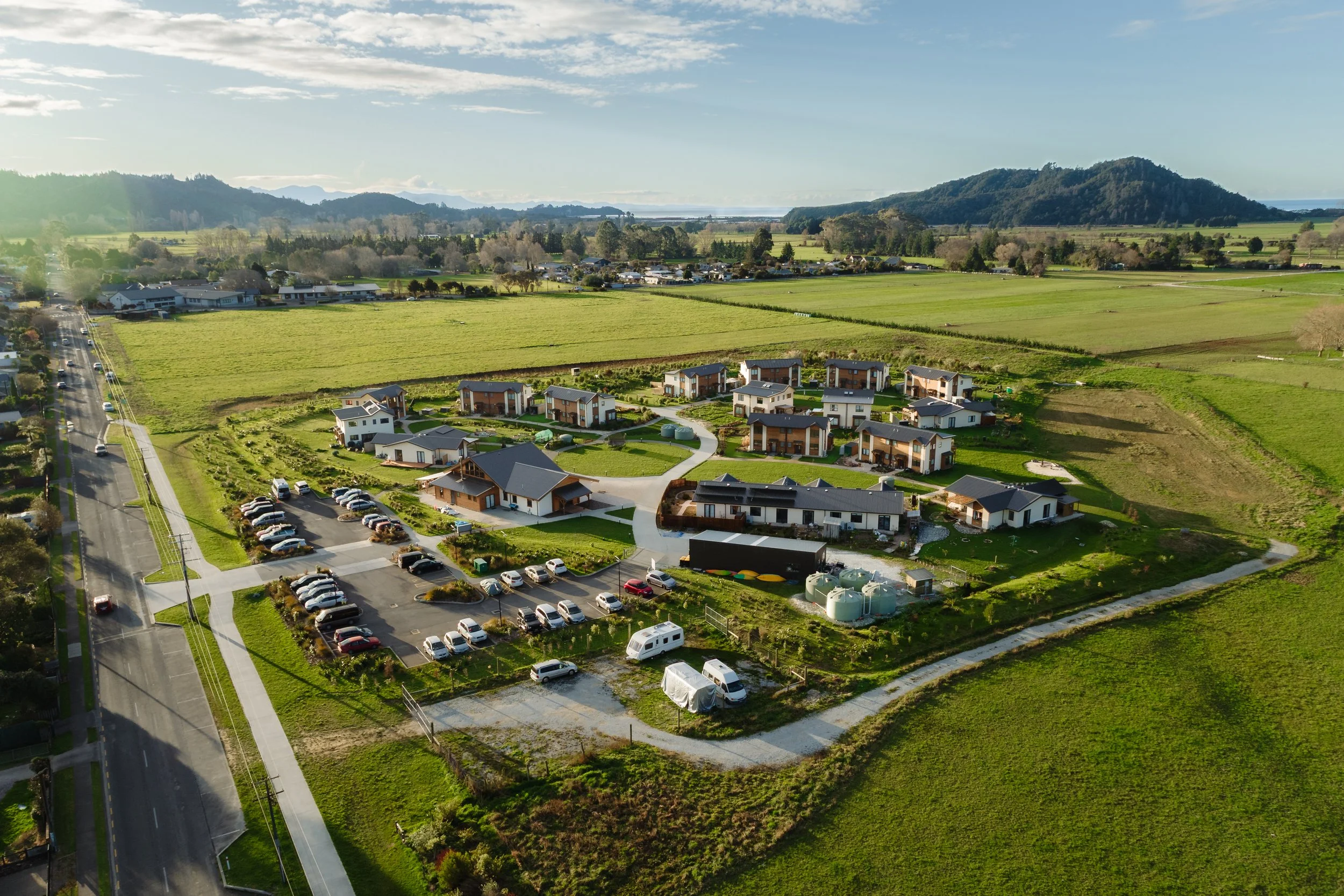
2. Intentional Neighbourhood Layout
Intentional neighbourhood design encourages connection between residents through “bump spaces”. Paths, gardens, and shared areas spark spontaneous encounters as you go about your daily life.
A key cohousing principle is to keep carparking to the edge of the neighbourhood, making shared spaces safe for children to roam, gardens to grow, and neighbours to gather without the hum of traffic. Yes, it’s a short walk from your car to your home, but it’s also a shift in mindset. You might transport your groceries a little further, but in return, you get quieter, safer, greener living. Residents make use of trolleys to easily transport items, wet weather gear for rainy days, and of course you can ask your neighbours for help when you need it.
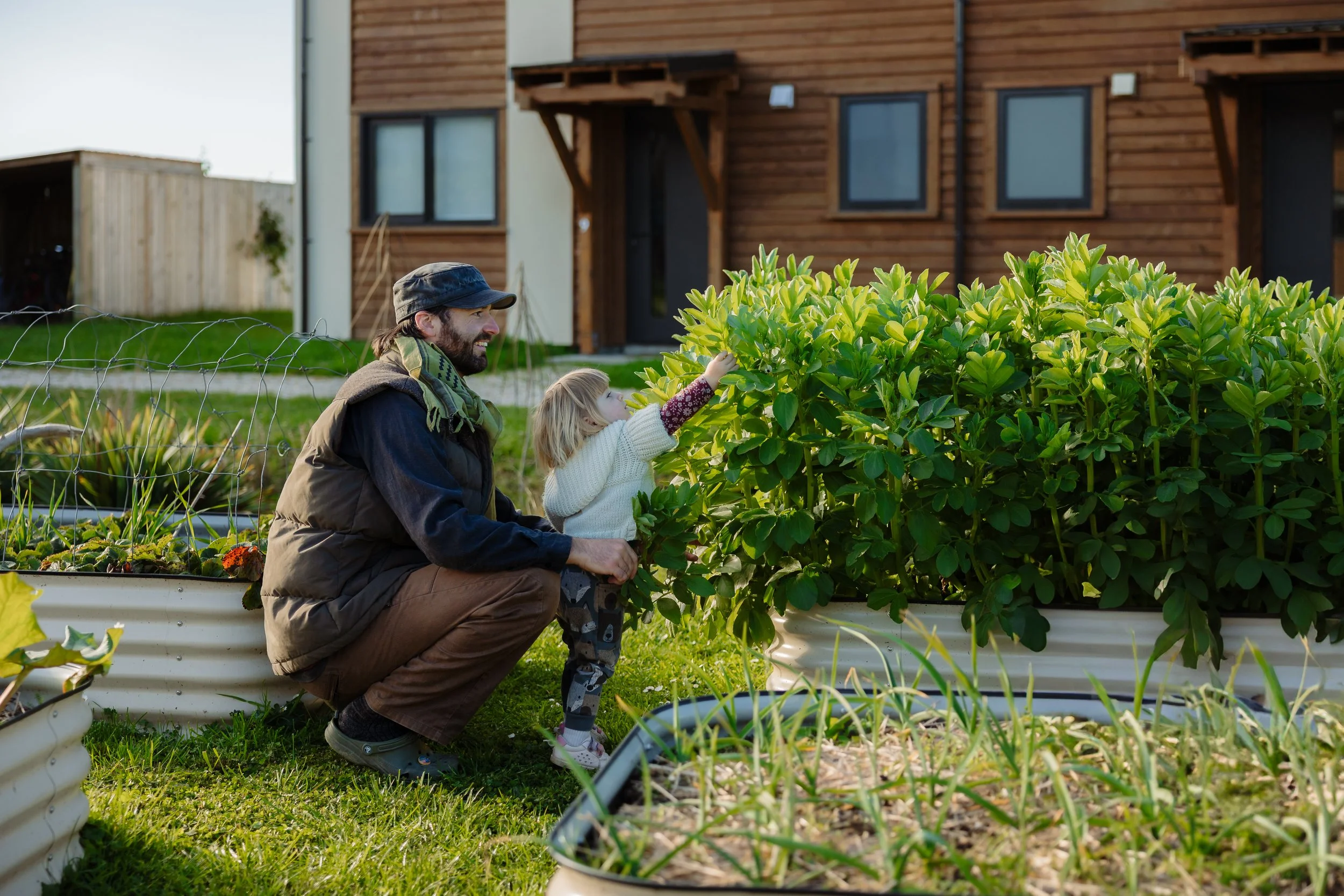
3. Private Homes + Shared Spaces
Every household enjoys a self-contained home, while shared facilities and green spaces - like a common house, gardens, workshops, and laundry - foster community life.
Community interaction is a key aspect of the cohousing lifestyle, but your home remains your personal sanctuary. Our designs prioritise privacy, and you can personalise your outdoor space with features like decks, hot tubs, or fire pits.
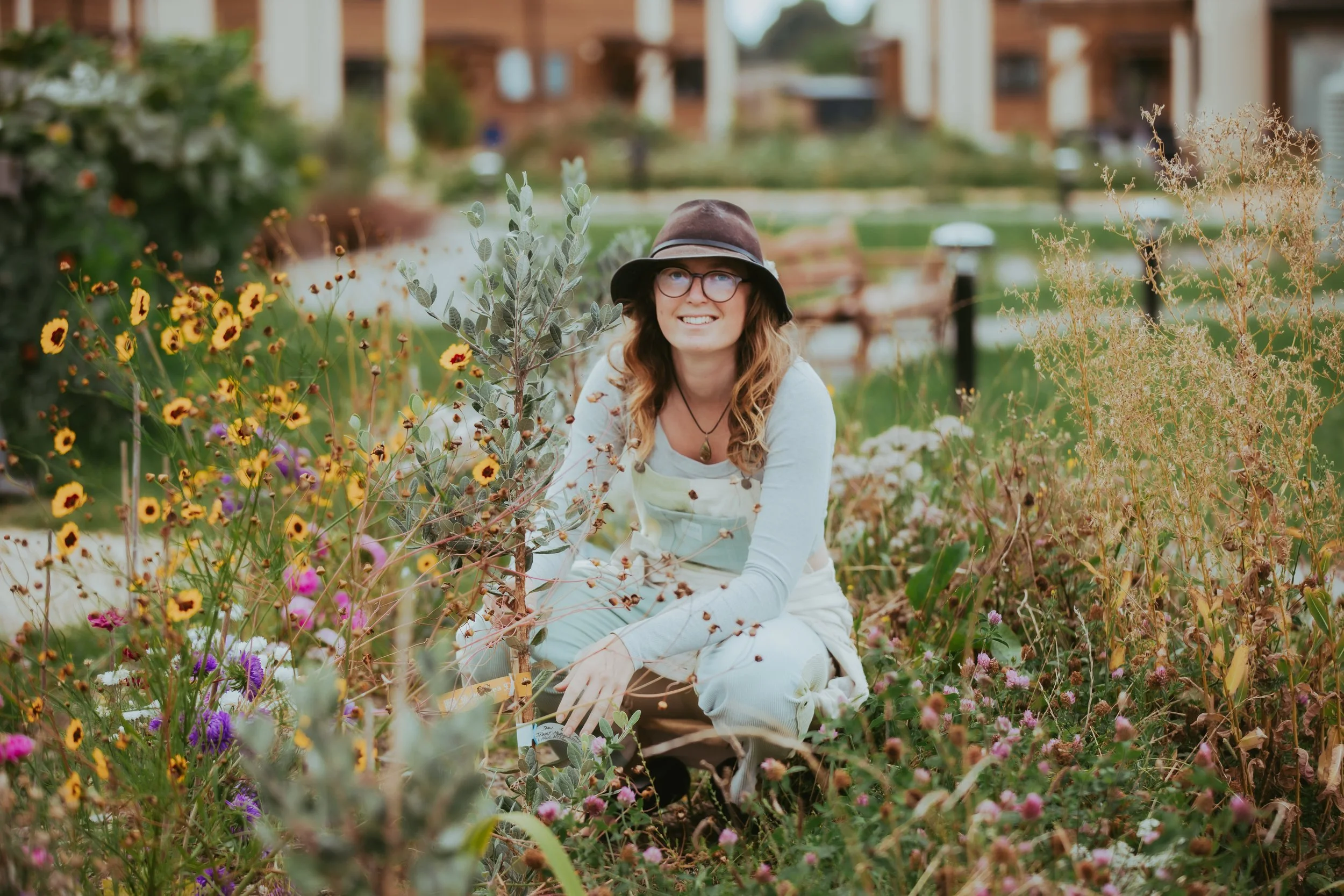
4. Resident-Led Management
The community is managed by its members. Maintaining the commons, and participating in activities together, strengthens responsibility, collaboration, and pride in the neighbourhood.
There are monthly community meetings, plus an assortment of working bees, social gatherings and other activities that bring residents together. Your level of participation is up to you, but at a minimum you would take part in a 1.5 hour monthly community meeting.
See above notes about Sociocracy as a decision-making model.
5. Shared Life & Mutual Support
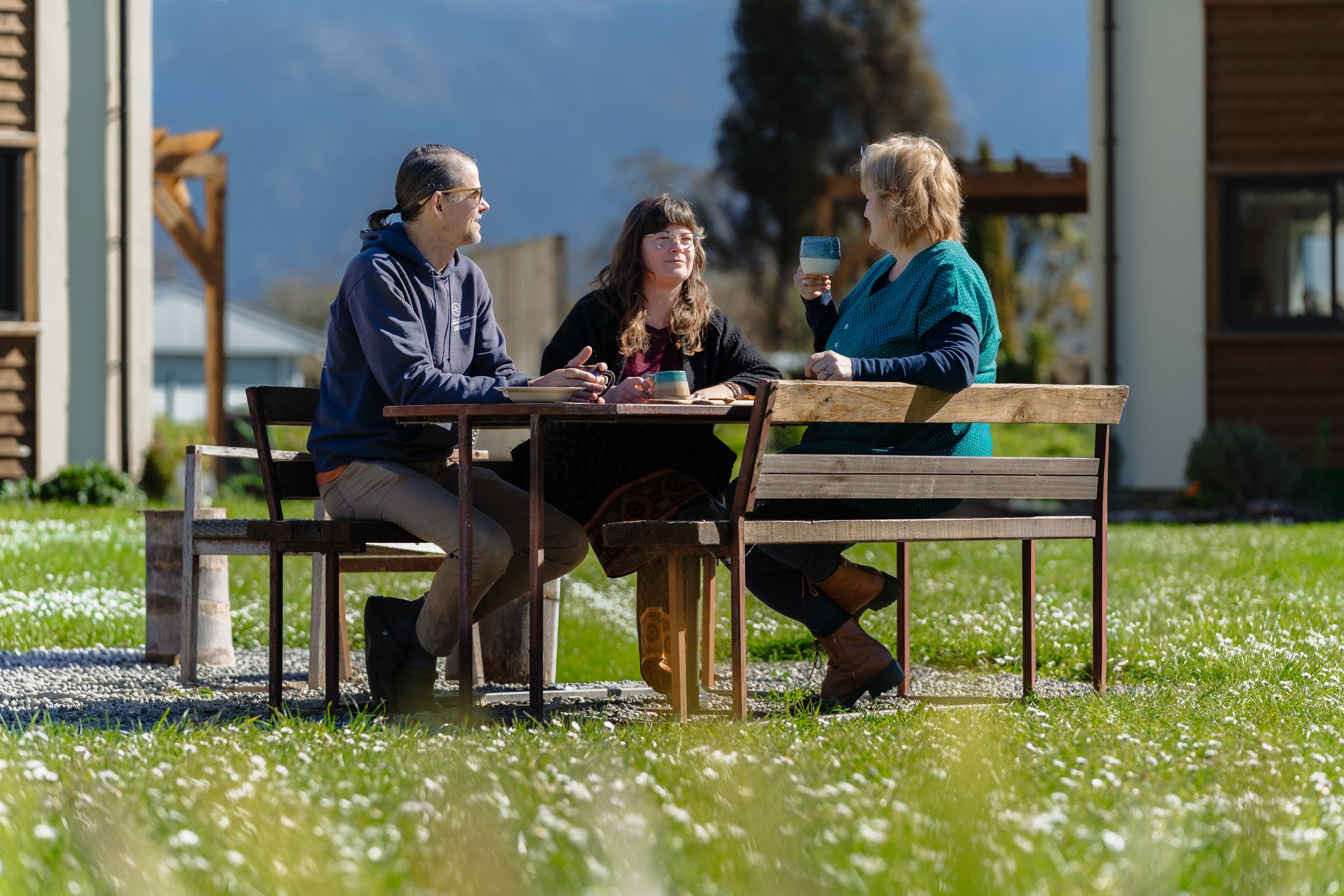
Regular shared activities - from meals to workouts to social events - build strong social bonds, support networks, and a culture of looking out for one another.
It’s bringing back “the village” - breaking down barriers and isolation and creating opportunities to connect more with other people, of all ages and stages. This kind of intergenerational connection is shown to improve the health and wellbeing of residents, as well as increasing resilience in uncertain times.
6. Sustainability & Stewardship
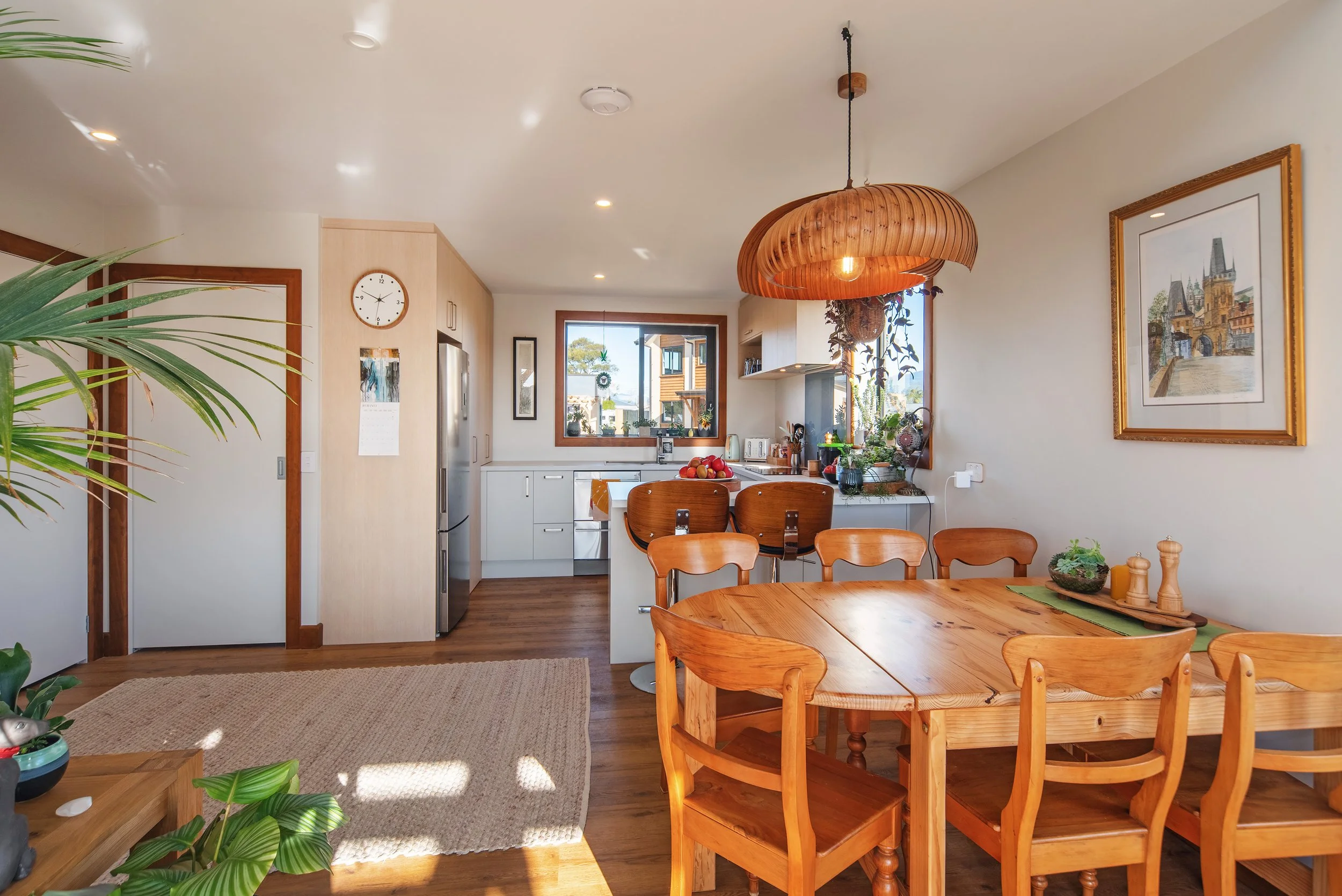
Use of non-toxic materials in construction, energy efficiency (eg, warm, dry and healthy homes) including community solar, shared resources and shared gardens reduces overall environmental impact and promotes a more sustainable lifestyle.
FAQs
-
In a Circle Living cohousing development, you own and live in your own private home while sharing common spaces, including gardens, a Common House, and laundry facilities (depending on what each neighbourhood is set up to provide). This fosters a strong sense of community where neighbours connect, collaborate, and support one another.
Our design prioritises a balance between privacy and communal living, allowing you to enjoy your own space while being part of a vibrant, interconnected neighbourhood.
-
Each home in a Circle Living development comes with its own Unit Title, similar to apartment ownership, which banks recognize for mortgage approvals. Homeowners own their individual home and the land directly beneath it.
The surrounding common areas are collectively managed by the Body Corporate.
-
To give an example, current residents at the Tākaka Cohousing Neighbourhood are paying $5k-$6k annually for Body Corp fees. Future developments may be slightly different.
These fees cover:
Maintenance of the commons - shared spaces like gardens, land, and community facilities (common house, workshop, etc).
House insurance.
High-speed internet, purchased as a collective for cost efficiency.
Council rates for the commons
Long term upkeep of the exterior of your home
They do not cover your personal rates and personal electricity bill.
The more input the community contributes to maintaining the community, the less the Body Corporate has to outsource, which helps keep living costs down for everyone.
-
Community interaction is a key aspect of the cohousing lifestyle, but your home remains your personal sanctuary. Our designs prioritise privacy, and you can personalise your interior space and your personal balcony/garden area.
Participation in communal meals and other social activities is voluntary, allowing you to engage at your own comfort level.
-
Residents in Circle Living developments enjoy access to various shared amenities, including:
A Common House, perfect for social gatherings, including community meals, meetings and celebrations.
Designated shared gardens and open green space
A workshop and community storage area
A playground area
A shared guest bedroom
A shared laundry
These amenities encourage collaboration - whether it’s a potluck dinner, gardening, or DIY projects - while reducing the need for individual ownership of resources like kayaks or lawnmowers, promoting a more sustainable lifestyle.
-
Residents make decisions collectively using Sociocracy - a decentralised decision-making tool that provides structure to how decisions are made and how information is shared so that all residents understand what is happening in the community without needing to be part of every decision.
You will join at least one Sociocracy circle (working group) focused on a specific aspect of life in the neighbourhood, such as gardening, land maintenance, or administration, ensuring everyone has a say in shaping how the neighbourhood operates.
-
Circle Living cohousing neighbourhoods attract a diverse range of residents, from families and couples to individuals of all ages. If you value meaningful connections and a cooperative lifestyle, you’ll find like-minded neighbours here.
Whether you’re seeking a supportive environment for your family or a more social way of living, the cohousing community is welcoming and inclusive. That said, cohousing is not for everyone, the community building process that happens whilst the homes are under construction allows people to try before they buy.
Disruptive behaviour is not welcome or accepted and there are systems in place for approaching any conflicts that do arise. Conflict is natural when large groups of people come together, how it is handled makes all the difference. Conflict can become a connecting experience when held with care and compassion.
-
You can purchase a home as an investment property. We only allow long term rentals in our developments, no AirBnB allowed, to preserve the feeling of community throughout.
You can allow your neighbours families and friends to house sit for you whilst you are away from you home. This is a great way to ensure that your pets and plant babies are well cared for whilst you are away. -
Our homes are designed to be healthy for both the planet and the people who live in them. We use non-toxic materials, ensure excellent insulation for reduced energy consumption, and prioritise low-carbon construction methods. The shared gardens, creation of composting systems, and use of sustainable materials all contribute to a healthy, regenerative environment.
We do our best to locate our developments within walking- or biking-distance to town/city, nature, and schools, reducing the need for car use whilst also setting up car-share schemes across our developments.
-
While a neighbourhood may follow a consistent design to maintain a cohesive look, we offer some options for personalisation of your individual home. You can select features that suit your needs and budget, allowing for individuality within the community’s overall aesthetic.
-
Community interaction in a cohousing neighbourhood is encouraged through bump spaces (areas designed for spontaneous interactions), a weekly shared meal, and regular community meetings, fostering social bonds.
However, participation in social events is entirely up to you, and that will determine the dynamic of each neighbourhood. Whether you prefer to be actively involved in communal activities or enjoy more solitude, the community is flexible and accommodating of diverse lifestyles. It’s up to you to manage your own energy and decide what level to participate at.
Four times a year there is a community hui, to celebrate together and where everybody gets together to talk about how the community is going together.
-
There are a few rota’d tasks that are worked in small teams on a quarterly basis. You never have to do these jobs alone, it’s about doing them in community, they are an opportunity for you to connect with your neighbours.
4 times a year as part of a small team you will:
Cook for your community (In return you will get free meals every Sunday)
Clean the common facilities (Common House and laundry)
Attend a grounds working bee (weeding, tree planting, maintenance)
These won’t be in the same weeks but spread across the year, so once a month you will be doing one of the above tasks alongside your community members.
You are also expected to join at least one Sociocracy Circle (working group) to support the running of the community. From participating in running the Body Corp, to looking after the grounds, long term maintenance or event organising for community huis.
-
Quarterly gatherings for all residents creates opportunities for voices to be heard and progress to be made, whilst also celebrating all that has been going well.
These are a moment to come together and take stock of how everybody is feeling about the community, what’s working, what’s challenging and how the community can come together to overcome any challenges. It’s also a great opportunity to learn more about one another and also get external support and/or learnings.
Learning together is the best way for everybody to stay on the same page about communication, community life (processes and systems) and conflict resolution.
Ready to Learn More?
If you’re intrigued by the idea of cohousing and want to explore whether it’s a good fit for you, we’d love to connect with you!