
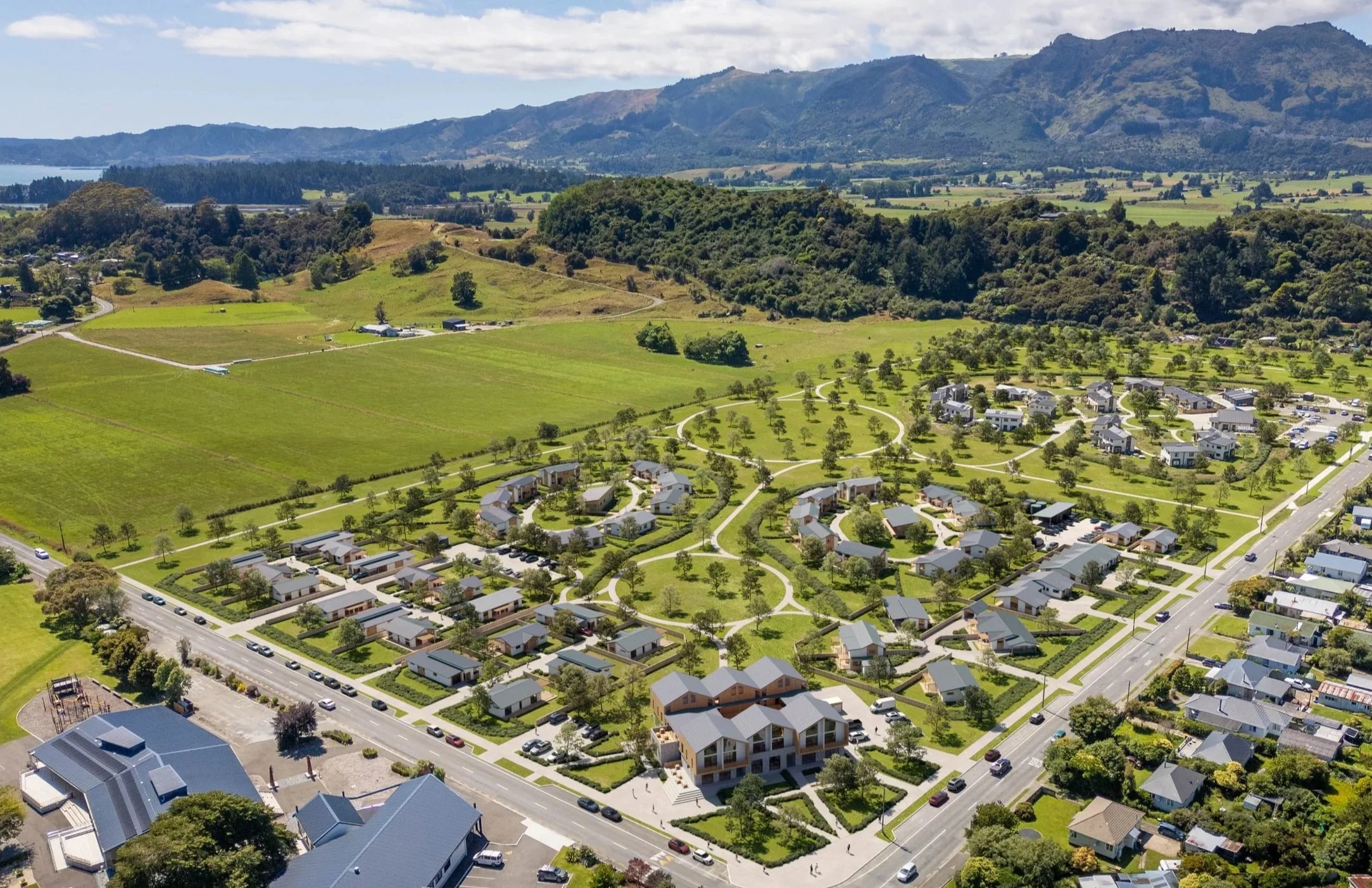
At Circle Living, we know that great housing design is the foundation for meaningful social connection.
Key Features of a Circle Development
We unlock radically better outcomes for our residents by making strategic design changes to the conventional property development model.
-
We intentionally locate all car parking at the edge of the development. This frees up a significant amount of land that can be repurposed for green space, gardens or communal facilities - where kids can safely play and neighbours can gather.
The short walk from the carpark to your front door also provides an opportunity for you to bump into neighbours. It’s those unplanned micro-interactions that build a sense of community and belonging over time.
-
The Common House is the residents’ collective second home. It’s where the community can gather for meals, make decisions together, celebrate and connect.
There are also many green spaces, from private gardens to shared growing spaces, open lawns for the children to run around in and shelter belt planting. These spaces allow the community to connect with each other and the whenua/land.
A shared workshop space is used to store additional belongings as well as collective assets. It is also used for games, crafts and other creative projects.
-
Central to cohousing is the concept of shared resources and common facilities. Together, residents create and maintain spaces such as community kitchens, gardens, workshops, and recreational areas. This promotes social interaction, resource efficiency, and a sense of community spirit.
By pooling resources, residents can enjoy access to facilities that would be impractical or unaffordable on an individual basis.
-
A built-in community solar scheme means the community is able to reduce its energy costs by 30%. This is included in the cost of the home.
Residents can opt for personal hot water solar systems in individual homes at an additional cost.
-
Residents can easily set up a shared car scheme, reducing their carbon footprint and doing their bit to combat climate change.
-
Designating space for shared gardens within the neighbourhood design, as well as the creation of composting systems, and use of sustainable, non-toxic materials, all contributes to a healthy, regenerative environment.
Growing and sharing produce also adds to the resilience of the neighbourhood.
Active Projects: Developments in Motion
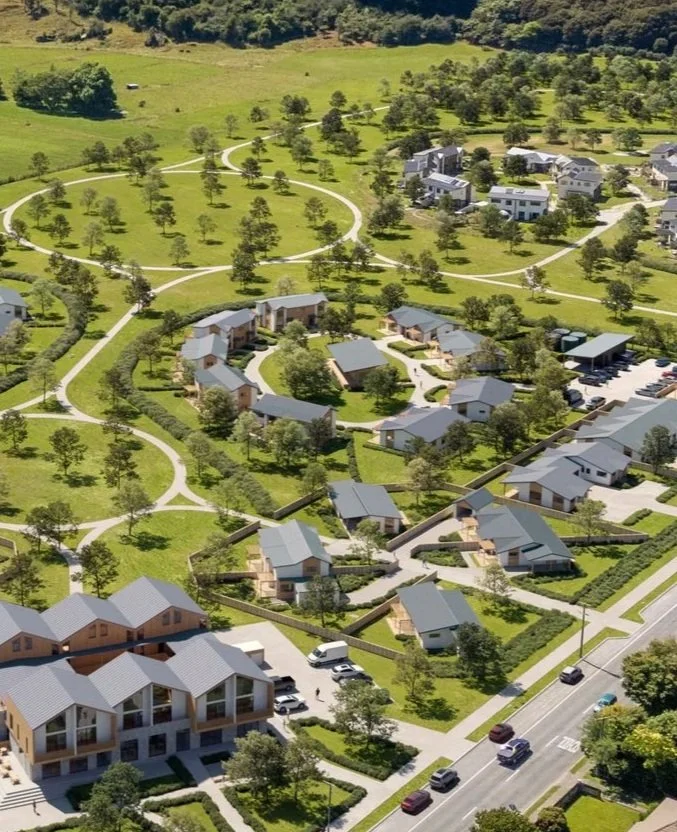
Tākaka Cohousing: Mānuka Neighbourhood
-
A second cohousing development proposed for Tākaka in the future.
Register your interest to stay updated with the project.
-
Now - Taking expressions of interest
2030 - Development complete
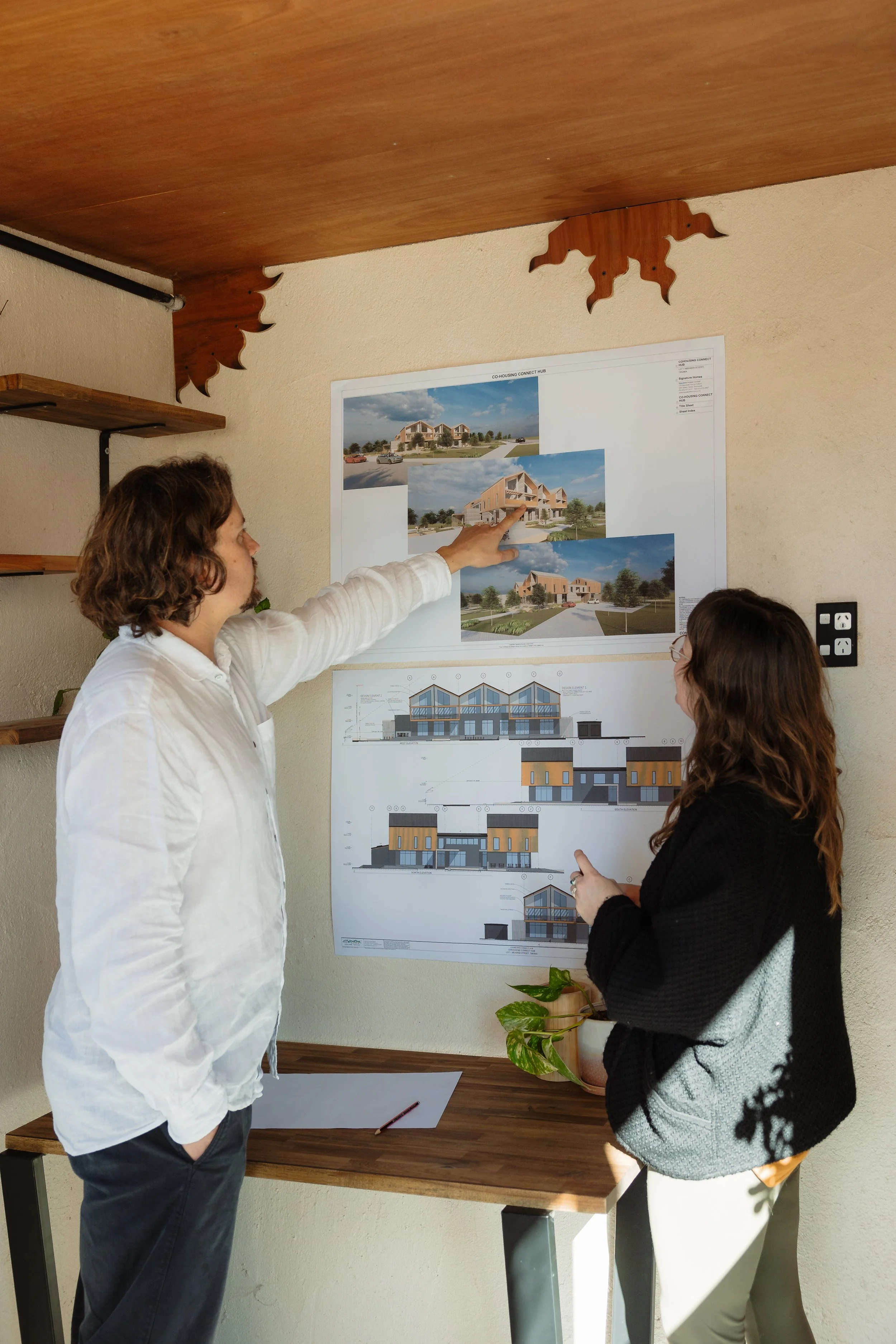
Nelson Cohousing
-
A new cohousing development proposed for Nelson.
25-35 homes/apartments available.
On transport routes and desirable location close to Nelson.
Community solar project built in, reducing energy costs.
Shared gardens/green space.
-
Now - Taking expressions of interest
2028 - Development complete

Christchurch Cohousing
-
We are currently reviewing potential sites and undertaking market research in the region.
Estimated 25-35 homes in a cohousing neighbourhood.
Taking expressions of interest now.
-
Now - Taking expressions of interest
2028 - Development complete
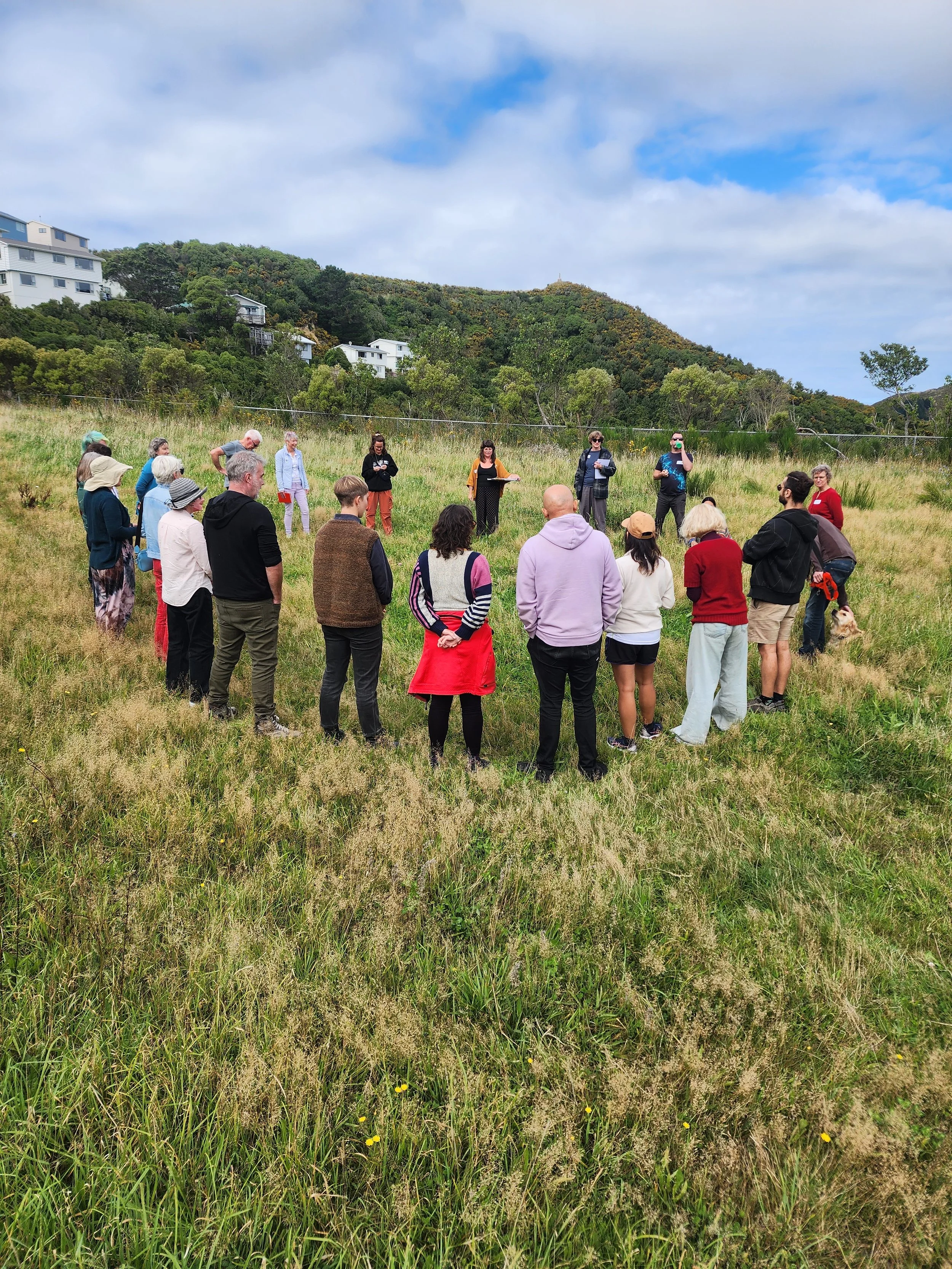
WGTN: Paparangi Cohousing
-
We recently had a conditional tender accepted on a site in Paparangi, Wellington.
Estimated 29 homes in a cohousing neighbourhood.
Taking expressions of interest now.
-
Now - Taking expressions of interest
2028 - Development complete